FOB, CIF and DAP, and which one actually protects you
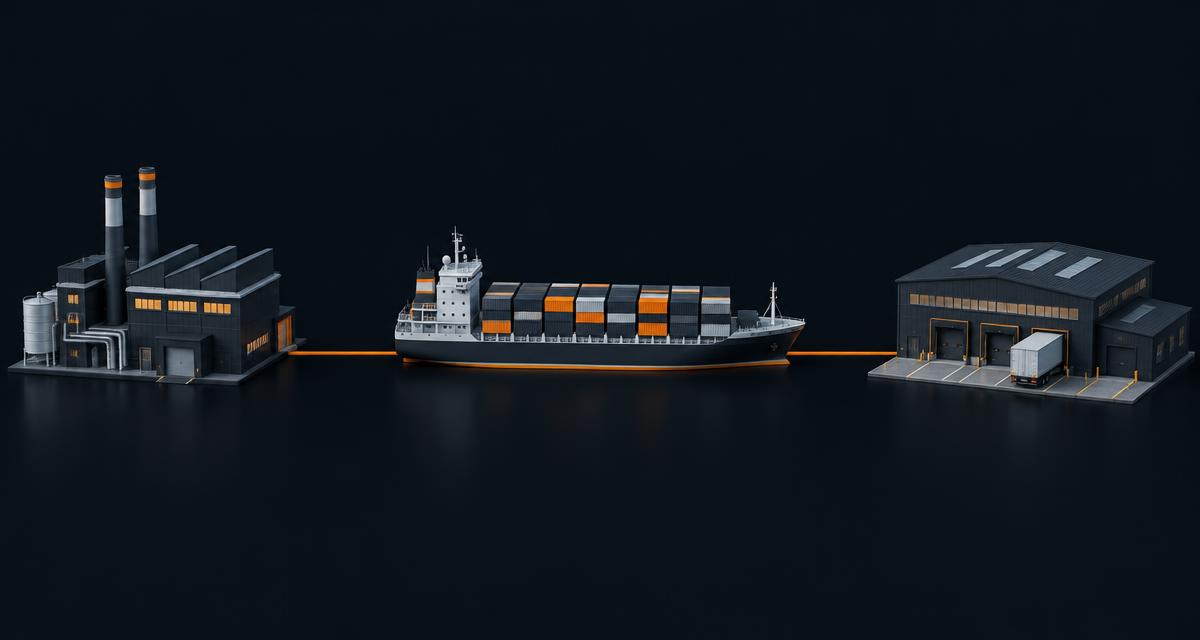
Incoterms decide two things: where the goods stop being the seller's problem and start being yours, and who chooses the people handling them in between.
Most guides explain the first. The second is what costs you money.
FOB, free on board
The seller delivers the goods onto the vessel at the named port of origin. Risk passes to you once they are loaded. You arrange and pay for the sea freight, insurance and everything after.
You choose the freight forwarder. That is the real advantage and the reason experienced importers default to it. Your forwarder works for you, quotes you directly, and has no relationship with the factory.
The cost is that you have to have a forwarder, and if you have never imported before you probably don't.
CIF, cost insurance and freight
The seller arranges and pays for carriage and insurance to the destination port. It looks like the easy option. One price, goods arrive, nothing to organise.
Here is the trap. The seller picks the forwarder, which means the forwarder's agent at your end is chosen by the seller too, not by you. You then receive an invoice for destination charges, handling, documentation and release fees that you had no part in agreeing and cannot shop around for.
Those charges are where a cheap looking CIF price gets made back. The headline number is low and the destination invoice is not.
CIF also only covers the seller to the port. Not to your warehouse. Clearance, duty and inland transport are still yours.
DAP, delivered at place
The seller delivers to a named place in your country, carrying the risk all the way there. Import duty and taxes remain for your account unless you agree otherwise.
For a first import this is usually the right answer. One party is responsible from factory to your door, and if something goes missing in between it is not your argument to have. You pay for that simplicity inside the price.
Which to use
First order, no forwarder, learning the route. DAP. Pay for the simplicity, see the whole chain work once, then reconsider.
You have a forwarder you trust, or volume worth controlling. FOB. You keep control of the leg where the money is.
CIF. Only with the destination charges listed in writing before you accept. If the seller will not itemise them, you are being invited to sign a blank cheque.
Two things to get in writing whatever you pick
The named place. "DAP UK" means nothing. "DAP Felixstowe" and "DAP your warehouse in Chester" are different prices and different risks.
Who clears customs. On DAP the buyer is importer of record unless agreed otherwise. If you have never been importer of record before, find that out now rather than when the goods are sitting at the port.
We quote FOB, CIF and DAP, and we will tell you which one we think fits your situation rather than the one that flatters our quote.